Planning a trip to Rome and wondering how to make the most of three days? This complete itinerary is designed for first-time visitors who want to experience the city’s top attractions without feeling rushed. From ancient ruins and Renaissance art to iconic landmarks and delicious Roman food, this 3-day guide covers everything you shouldn’t miss—plus insider tips to make your trip smooth and unforgettable.
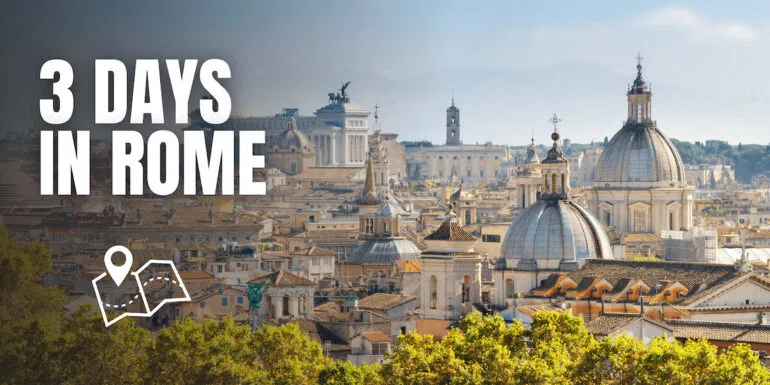
Day 1: Ancient Rome, Historic Squares & Classic Landmarks
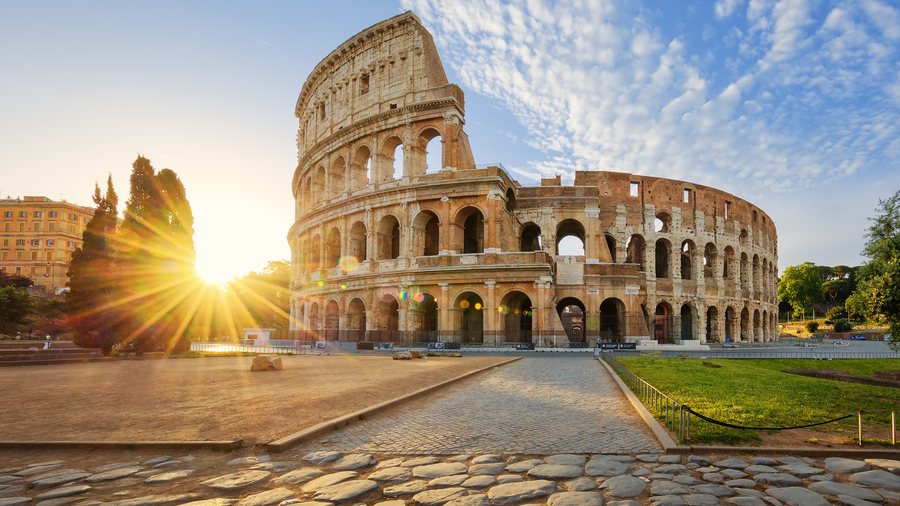
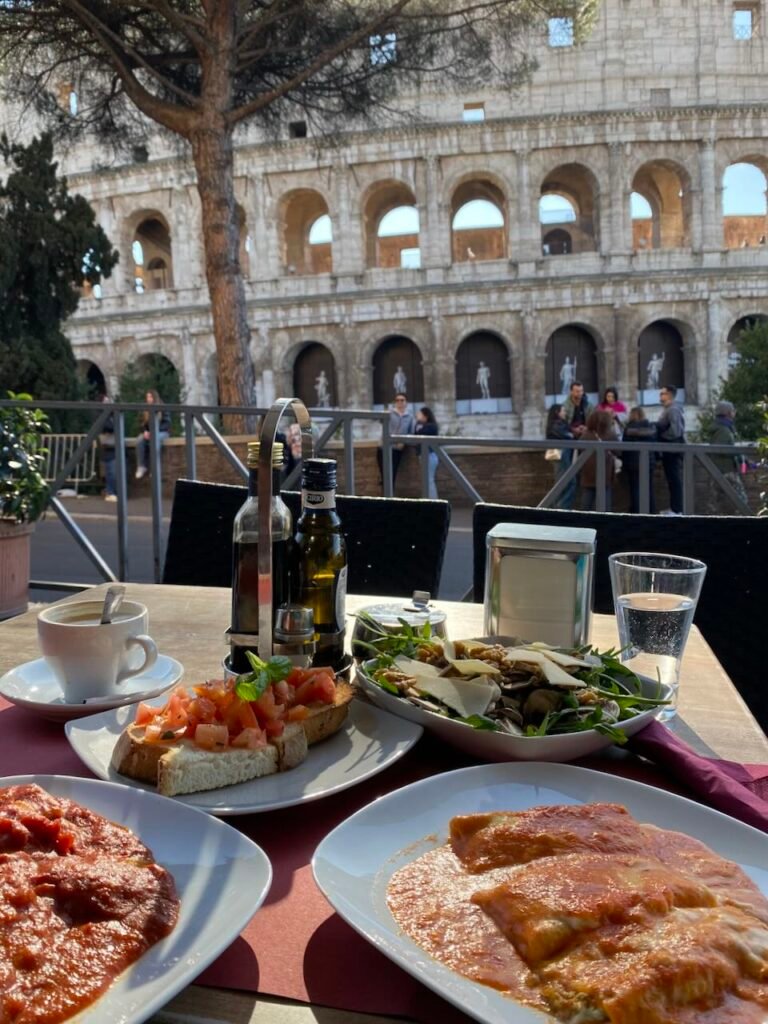
1. Colosseum (Morning)
Start your Roman adventure at the world’s most iconic monument.
Tip: Book a Skip-the-Line or Underground & Arena Floor Tour to avoid long queues and explore exclusive areas.
What to See:
- Arena floor
- Underground dungeons (optional but highly recommended)
- Second and third tiers
2. Roman Forum
Step into the political and commercial heart of Ancient Rome. Walking through the ruins of temples, basilicas, and the Senate House feels like traveling back 2,00s.
3. Palatine Hill
Enjoy a peaceful walk through the hill where Rome was founded. It also offers some of the best panoramic views of the Colosseum and Forum.

Lunch Suggestion
Try a traditional Roman trattoria near Via Cavour:
- Cacio e pepe
- Carbonara
- Supplì
4. Piazza Venezia & the Vittoriano
Admire the massive white marble monument dedicated to King Victor Emmanuel II. You can take the elevator to the terrace for a stunning view over Rome.
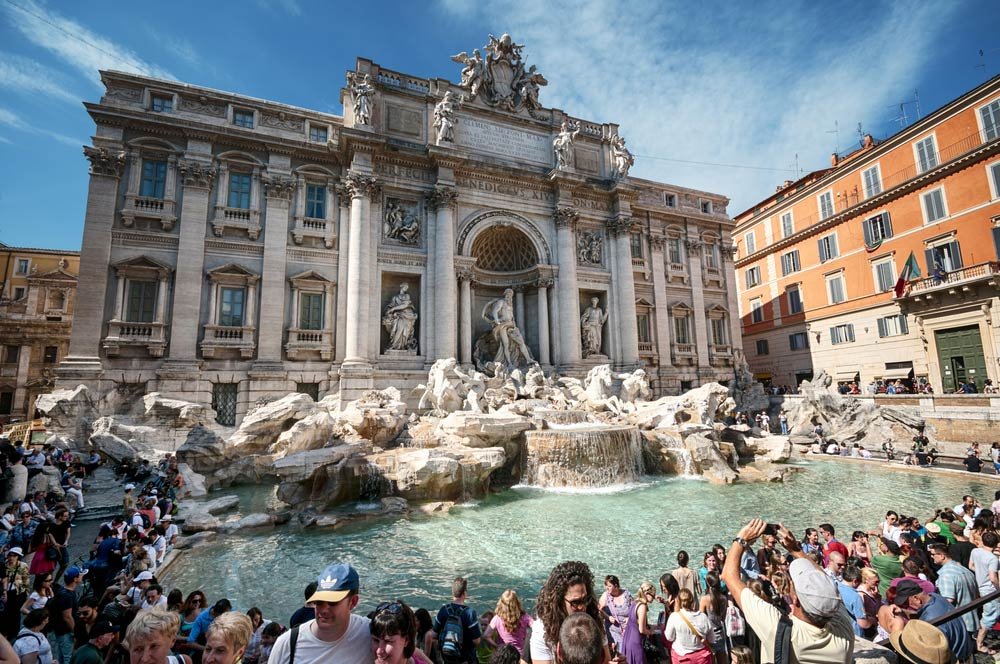
5. Trevi Fountain
A must-see! Don’t forget to toss a coin over your left shoulder to ensure a return to Rome.
6. Spanish Steps
Climb to the top for a lovely view over Piazza di Spagna and the designer fashion district.
Day 2: Vatican City, Castles & Riverside Rome
1. متاحف الفاتيكان (Morning)
Explore one of the richest art collections in the world.
أبرز الميزات:
- Gallery of Maps
- Raphael Rooms
- Sistine Chapel (Michelangelo’s masterpiece)
Tip: Choose an early-entry guided tour to enjoy the Sistine Chapel before the crowds.
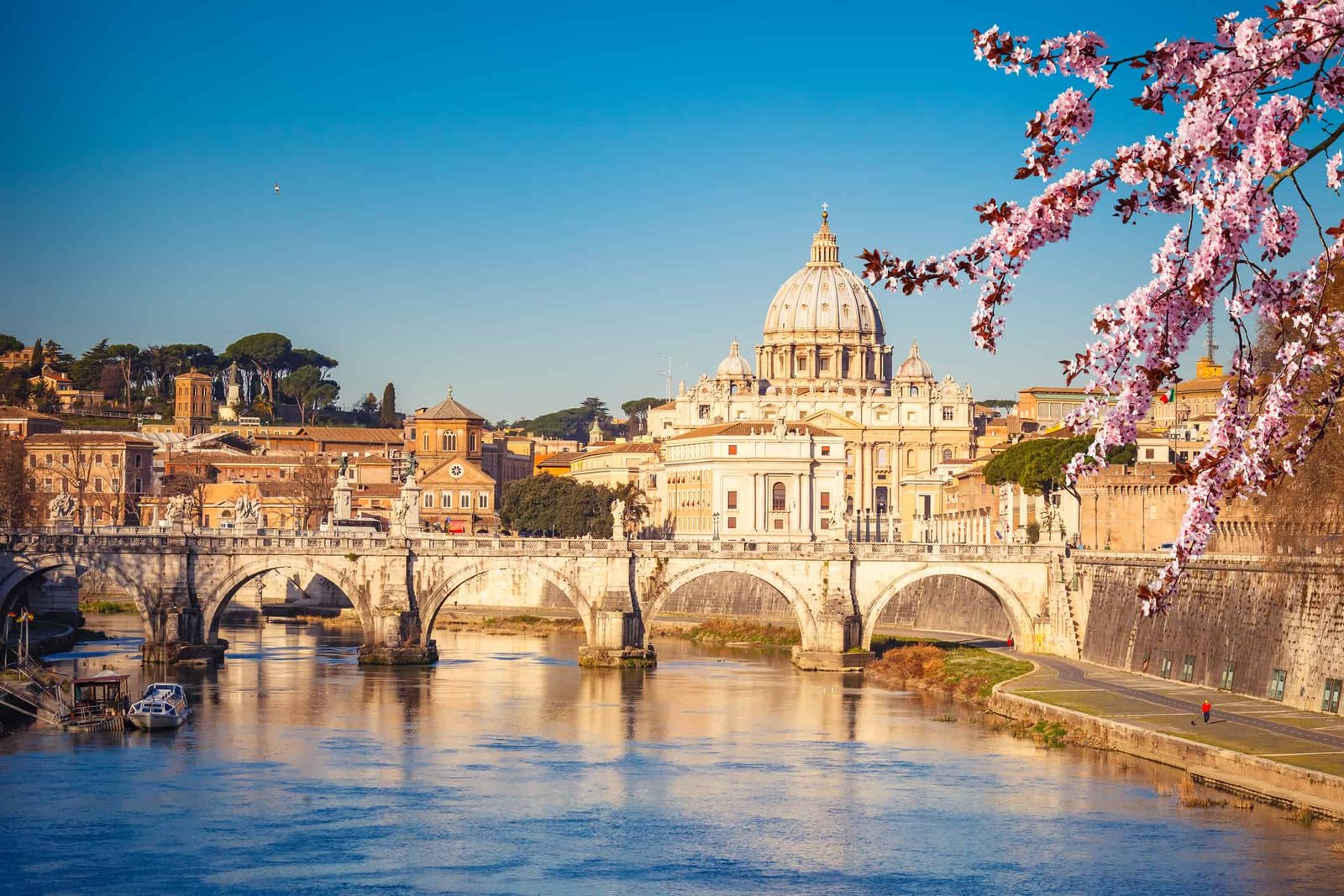
2. St. Peter’s Basilica
Just next door, this is the largest church in the world.
Don’t miss:
- Michelangelo’s Pietà
- Dome climb (amazing views of Rome!)

Lunch Suggestion
Eat at Borgo Pio—great traditional restaurants close to the Vatican.
3. Castel Sant’Angelo
Walk along the ancient Passetto di Borgo pathway and explore Rome’s fortress-museum with breathtaking city views.
4. Piazza Navona
One of the most beautiful Baroque squares in Europe.
Enjoy a gelato or a cappuccino while admiring Bernini’s Fountain of the Four Rivers.
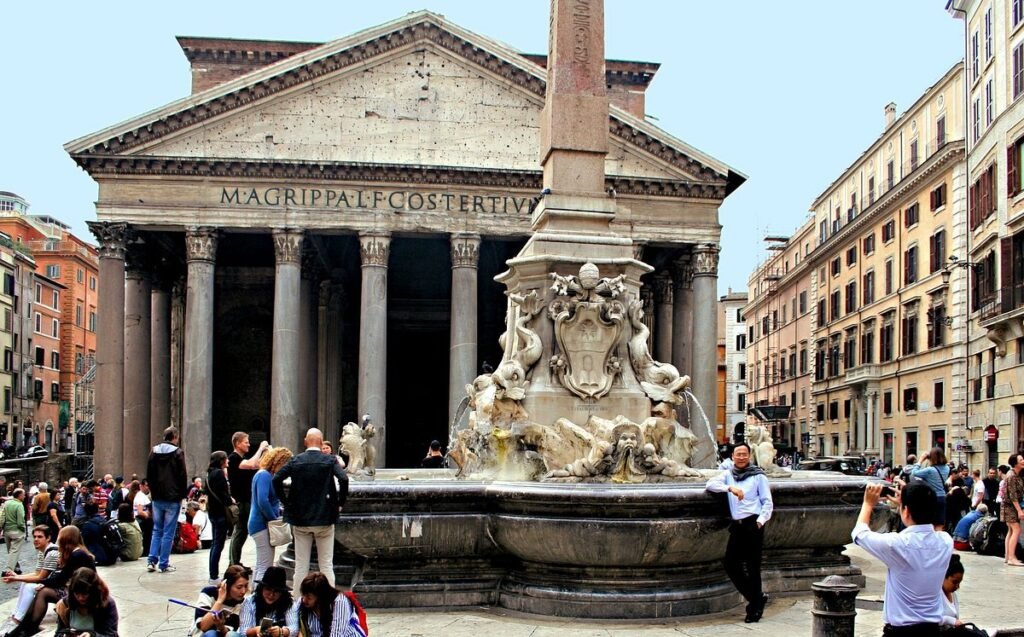
5. Pantheon
A marvel of engineering with the largest unreinforced concrete dome in the world.
Tip: Visit at sunset for magical lighting through the oculus.
Day 3: Trastevere, Food, Markets & Hidden Gems
1. Campo de’ Fiori Market
Browse fresh produce, spices, Italian pasta, and local products. Great place for foodie souvenirs.
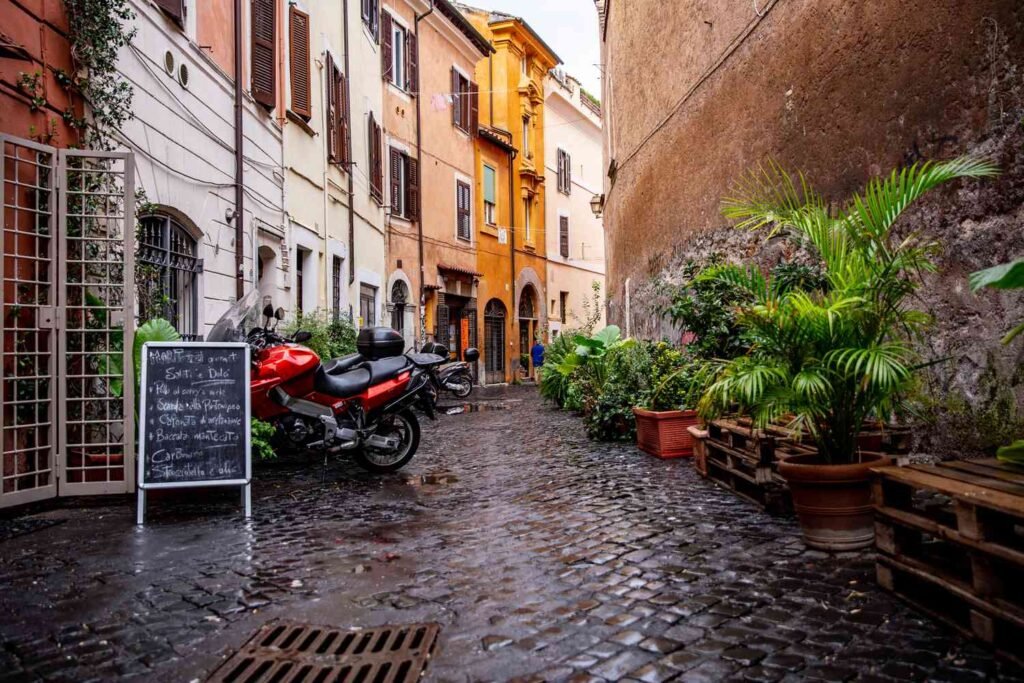
2. Trastevere Neighborhood
Cross the Tiber River into Rome’s most charming district.
What to Explore:
- Basilica of Santa Maria in Trastevere
- Narrow medieval streets
- Local cafés and artisan shops
3. Villa Farnesina
A hidden gem of Renaissance art featuring Raphael’s breathtaking frescoes.
Lunch Suggestion
Lunch in Trastevere (some of Rome’s best pizza and pasta restaurants).
4. Janiculum Hill (Gianicolo)
Take in some of the best panoramic views of the city. A perfect spot for photos and a quiet break from the crowds.
5. Optional Afternoon Activities
Choose one depending on your interests:
- Food tour (highly recommended for first-time visitors)
- Catacombs & Appian Way tour
- Borghese Gallery
- Jewish Ghetto walking experience
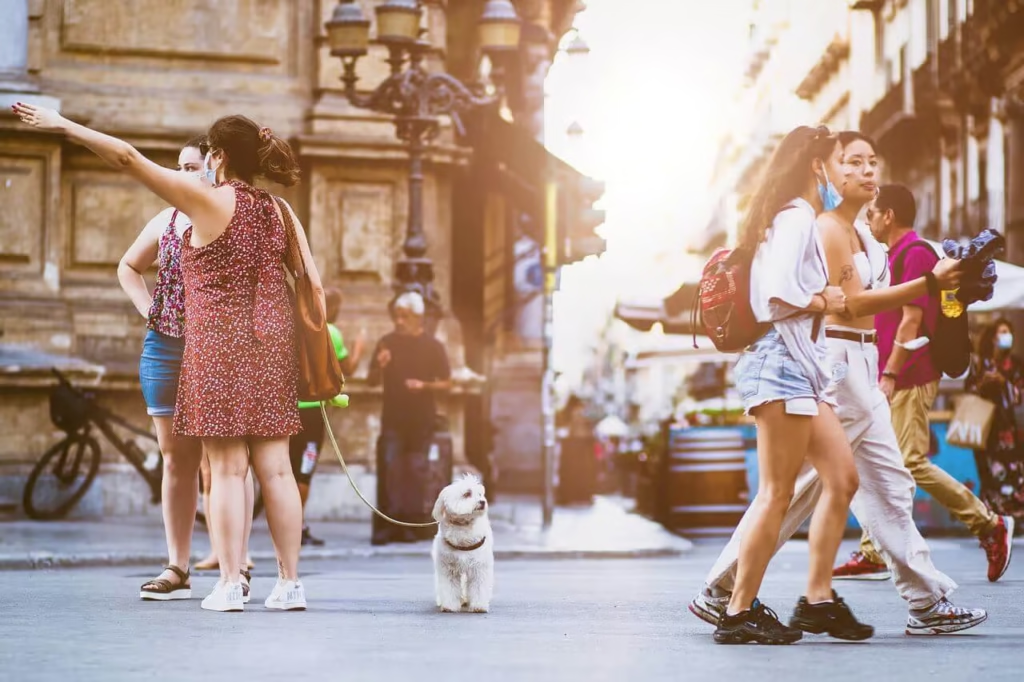
Evening in Rome: The Perfect Ending
Spend your final night enjoying:
- A sunset walk along the Tiber River
- Dinner in Trastevere
- Gelato near Piazza Navona or Trevi Fountain
Rome at night is magical—make sure you take one last stroll through the illuminated streets.
Final Tips for Visiting Rome
- Wear comfortable shoes—Rome is a city best explored on foot.
- Book major attractions in advance (Colosseum, Vatican).
- Use the Metro for quick transportation between major sites.
- Keep a refillable water bottle—public fountains offer fresh, cold drinking water.